2026-03-26


Silico® presents high-performance dimethyl silicone oil, also known as polydimethylsiloxane (PDMS), a cornerstone fluid in modern industrial manufacturing. With a linear molecular structure, PDMS combines exceptional thermal stability, chemical inertness, and versatile functionality, making it indispensable across industries such as electronics, chemical processing, automotive, and more.
As a colorless, odorless, and transparent liquid, industrial-grade dimethyl silicone oil enhances process efficiency, extends machinery lifespan, and improves product quality. Its multifunctionality allows manufacturers to address multiple production challenges, including reducing friction, improving mold release, controlling foam, and achieving superior surface finishes.
Dimethyl silicone oil maintains structural integrity and viscosity under extreme temperatures, outperforming conventional lubricants and process fluids. This makes it ideal for high-temperature molding, thermal management systems, and heat-transfer applications.
Key advantages:Ensures consistent product quality in high-temperature processes.
With excellent chemical inertness, PDMS resists reactions with acids, alkalis, and solvents. This property ensures compatibility with complex industrial environments and protects sensitive components.
Applications include:Protective coatings for machinery exposed to reactive chemicals.
Its chemical stability makes Silico® dimethyl silicone oil a trusted solution for continuous production cycles.
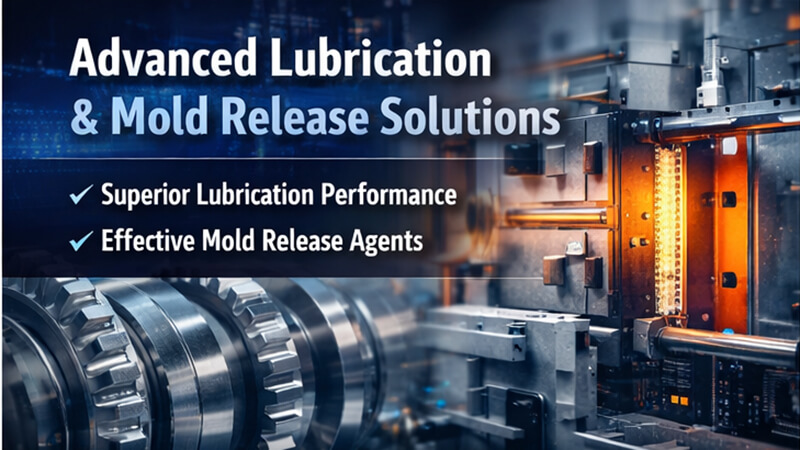
Thanks to low surface tension, high shear stability, and non-stick characteristics, PDMS provides superior lubrication for precision instruments, bearings, conveyor systems, and high-speed machinery.
Production benefits:Ensures smooth operation in harsh chemical or high-temperature environments.
In processes where foam formation can compromise efficiency, dimethyl silicone oil serves as a highly effective defoamer. Its low surface tension suppresses bubbles, stabilizing production lines in fermentation, chemical synthesis, and wastewater treatment.
Manufacturing advantages:Supports continuous industrial operations with consistent results.
PDMS’s non-stick properties provide excellent mold-release performance, improving surface quality and reducing scrap rates in plastic, rubber, and metal components.
Key advantages:Available as sprayable or brushable release agents tailored for specific processes.
Silico® dimethyl silicone oil forms thin, water-repellent films, protecting materials from moisture, corrosion, and environmental degradation. This is especially valuable in textile, construction, and automotive manufacturing.
Additional benefits:Maintains performance under humid or outdoor conditions.

With high dielectric strength and a low dielectric constant, dimethyl silicone oil acts as a safe, effective electrical insulating fluid.
Applications:Protective coatings for sensitive electronic components.
PDMS enhances surface wetting, spreading, and coating uniformity, improving gloss and reducing defects in coatings and adhesives across textiles, plastics, and metals.
Advantages in manufacturing:Elevated aesthetic and functional quality of final products.
As a non-toxic, chemically stable, and low-volatility fluid, dimethyl silicone oil is safer for workers and the environment than many traditional oils.
Key points:Supports green manufacturing and regulatory compliance.

PDMS is multifunctional, suitable for textile lubrication, automotive, electronics, chemical processing, food, and medical device production. Its adaptability ensures it remains a high-performance solution in diverse industrial applications.
Examples of use:Mold release and surface treatment in automotive and consumer products.
Integrating Silico® dimethyl silicone oil into industrial processes enhances production efficiency, product quality, and equipment longevity. From thermal stability and lubrication to mold release, anti-foaming, and electrical insulation, PDMS is a versatile, multi-functional industrial fluid.
Manufacturers adopting Silico® PDMS can optimize production lines, minimize downtime, and achieve compliance with environmental and safety standards, positioning themselves for long-term operational excellence.