2026-03-26

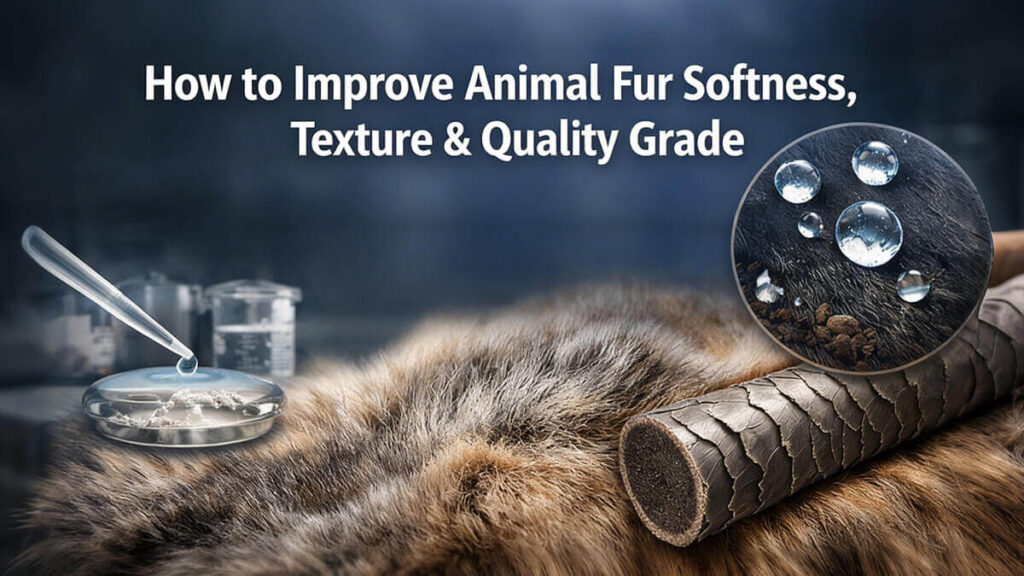
In the global fur and luxury textile industry, animal fur quality is no longer defined solely by raw material selection. Increasingly, final quality grade is determined by advanced finishing technologies that enhance softness, durability, and functional performance while preserving the natural aesthetics and structure of fur.
Modern fur processors and premium garment manufacturers are shifting toward controlled surface engineering approaches, where silicone fluid–based finishing systems—including solutions developed by industry suppliers such as Silico®—are widely applied to meet higher standards for tactile feel, appearance consistency, and long-term performance.
This article provides a technically neutral, process-oriented overview of how to improve animal fur texture, softness, water resistance, and overall quality grade, offering practical insights applicable to various fur types and modern finishing systems.
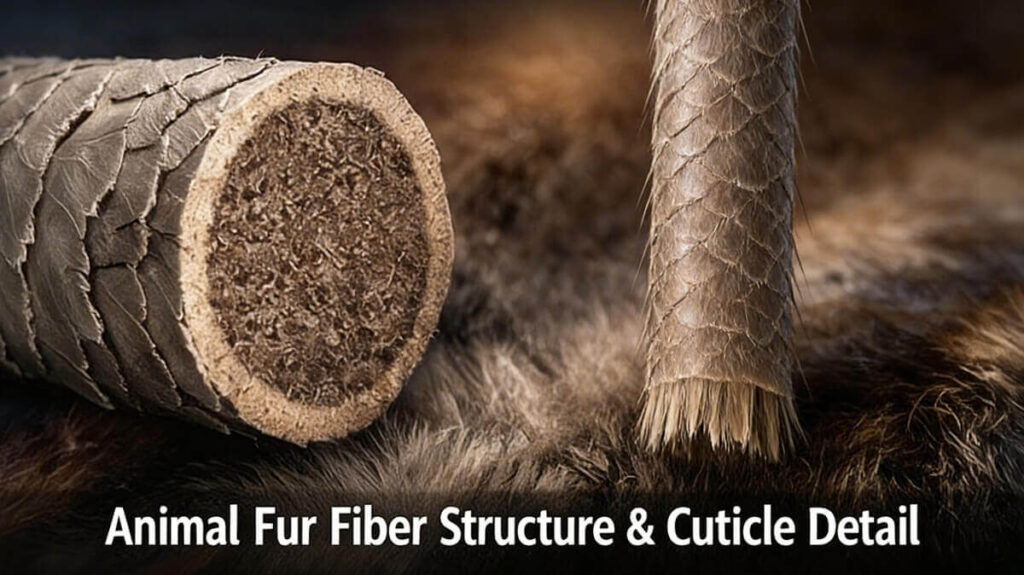
Animal fur consists of keratin-based hair fibers anchored to a leather or skin substrate. Core parameters—including fiber diameter, cuticle integrity, hair density, alignment, and natural lipid distribution—define the baseline quality of raw fur materials.
However, even high-grade raw pelts often exhibit limitations such as uneven fiber orientation, surface roughness, insufficient water resistance, or performance instability over time. As a result, post-finishing treatments play a decisive role in upgrading fur from standard commercial grades to premium or luxury classifications.
Modern fur finishing emphasizes surface modification rather than structural alteration, allowing manufactur
One of the most critical determinants of perceived fur softness is inter-fiber friction. Excessive friction leads to a dry, stiff, or tangled handle, whereas controlled lubrication allows fibers to move freely and recover after compression.
Reducing surface friction contributes to:Fur fibers are highly sensitive to surface polarity and moisture absorption. Uncontrolled water uptake can negatively impact softness, appearance, and dimensional stability.
Effective finishing systems regulate surface energy, ensuring an optimal balance between tactile softness and functional protection. Traditional oil-based softeners often struggle to achieve this balance consistently, which explains the growing adoption of silicone fluid finishing agents for animal fur processing.
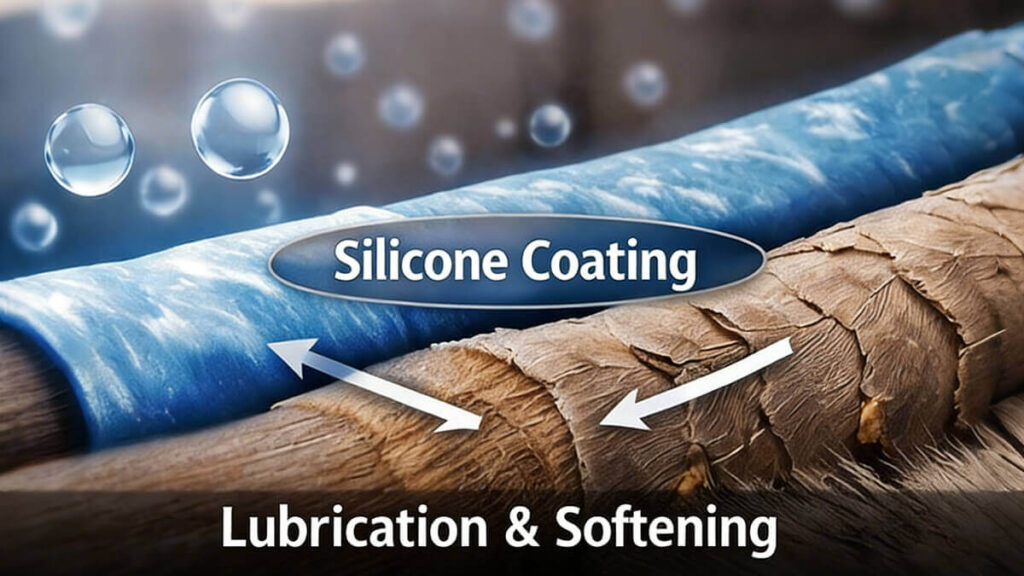
Silicone fluids are polysiloxane-based materials characterized by:
Strong affinity for keratin fiber surfaces
When properly applied, silicone fluids form a thin, uniform, and flexible molecular film on fur fibers. This film significantly reduces inter-fiber friction without adding weight, stiffness, or greasiness—making silicone fluids especially effective for enhancing fur softness and premium hand feel.
In industrial practice, silicone fluid systems—including those supplied by Silico®—are typically formulated as stable emulsions to ensure uniform distribution, processing efficiency, and compatibility with aqueous finishing systems.
Customized emulsified silicone systems tailored for specific fur and leather substrates
The selection depends on fur type, target quality grade, processing conditions, and end-use performance requirements.
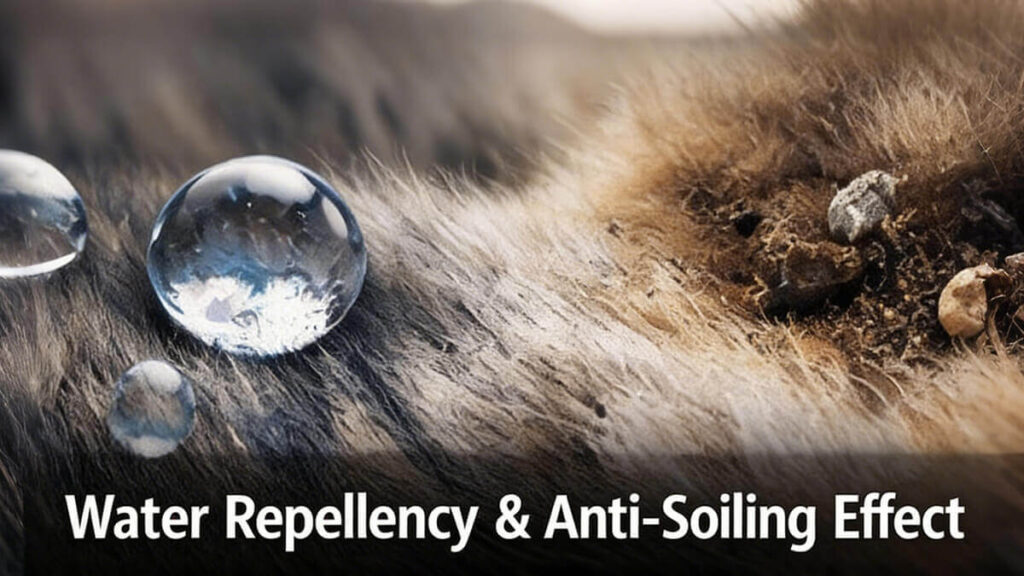
Improved visual cleanliness and easier maintenance
In advanced finishing formulations, silicone fluids often serve as a base functional layer, supporting additional water- and stain-repellent agents. This layered approach allows manufacturers to achieve durable repellency while maintaining softness and natural appearance.
High-grade fur products must maintain consistent tactile and visual properties under temperature fluctuations, storage conditions, and repeated wear. Silicone fluids contribute significantly to thermal stability and aging resistance due to the robust silicon–oxygen molecular backbone.
Key performance advantages include:Stable softness and handle feel over time
These properties are essential for maintaining consistent quality grades, particularly in export-oriented and luxury markets.
Mechanical polishing and grooming to enhance fiber alignment and visual quality
Drying temperature, mechanical action, and curing conditions
Careful formulation and pilot testing are essential to avoid issues such as over-slipperiness or uneven film formation. Many processors evaluate commercial-grade silicone fluid systems—including Silico® solutions—to optimize finishing performance for specific fur types and quality targets.
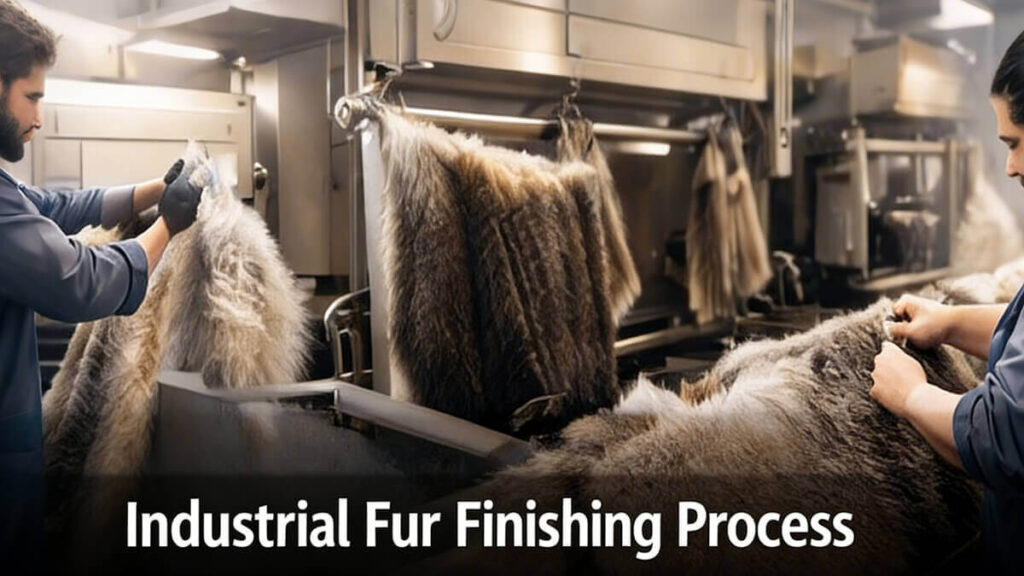
Enhancing animal fur texture, softness, water resistance, and long-term durability requires an integrated finishing strategy rather than reliance on a single additive. Silicone fluid–based finishing technologies have become a cornerstone of modern fur processing due to their versatility, stability, and performance efficiency.
By combining appropriate silicone fluid selection, controlled application techniques, and complementary functional agents, manufacturers can consistently produce higher-grade fur products that meet modern market expectations.
Advanced silicone fluid solutions—represented in the market by brands such as Silico®—continue to support innovation in premium fur finishing while allowing processors to maintain technical neutrality, formulation flexibility, and sustainable quality improvement.